

Commercial Floor Refinishing Services Twin Cities: The Facility Manager’s Preservation Guide
For corporate offices, medical facilities, high-traffic retail spaces, and educational campuses across the metropolitan area, flooring is often the single most heavily abused physical asset. Every single day, your building’s floors endure an aggressive mix of foot traffic, heavy equipment rolling, winter salt tracking, and accidental spills. Over time, these daily stresses wear down protective coatings, leaving surfaces looking dull, scratched, and vulnerable to deep, irreversible structural damage.
Relying on standard janitorial mopping simply isn’t enough to counteract deep-set wear. Securing specialized, industrial-grade floor refinishing services twin cities protocols is essential to strip away failing wear layers, remove embedded grit, and apply high-performance protective sealants that safeguard your bottom line.
The Economics of Floor Care: Stripping vs. Replacement
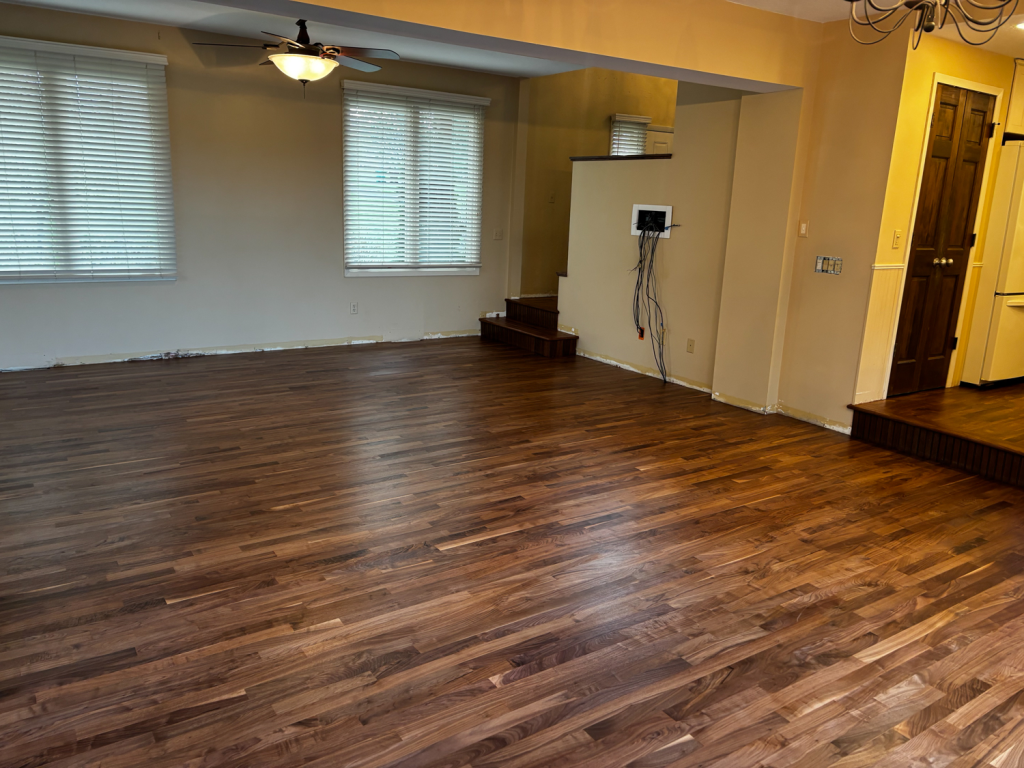
From a facility management perspective, postponing routine floor care is a high-liability gamble. Hard surface floor assets—such as Vinyl Composition Tile (VCT), Luxury Vinyl Plank (LVP), terrazzo, and commercial hardwoods—possess distinct life-cycle thresholds. When the outermost sacrificial factory finish or polymer wax layer erodes entirely, contaminants penetrate into the core material itself. Once a floor substrate is deeply gouged, stained, or moisture-etched, the option for a low-cost surface restoration disappear, forcing an expensive, disruptive, and premature facility shutdown for full floor replacement.
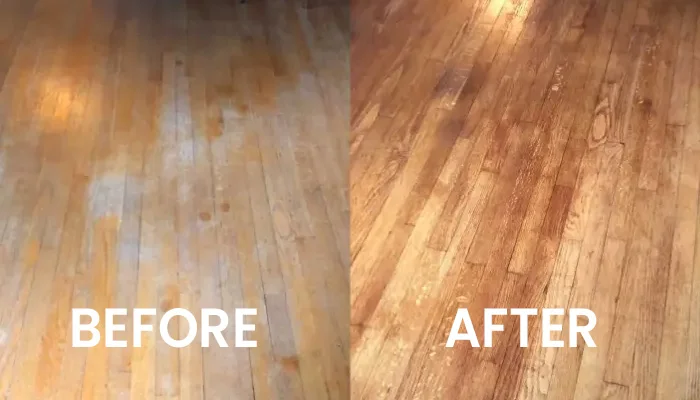
By executing a proactive maintenance and refinishing strategy, commercial property owners can extend the functional operational lifespan of their hard floors by up to 15 to 20 years. This lifecycle extension drastically drops capital expenditure cycles while instantly elevating the aesthetic profile and indoor air quality of your business environment.
At-a-Glance Material Performance Matrix
Different architectural materials demand completely distinct chemical agents and mechanical equipment. Treating modern synthetic planks with machinery designed for classic stone or VCT will destroy the installation instantly.
| Flooring Substrate | Dominant Wear Strain | Recommended Refinishing Treatment | Ideal Cycle Frequency |
| Vinyl Composition Tile (VCT) | Scuffs, yellowing, wax degradation | Deep chemical strip, seal, and high-solid finish | 12 to 18 Months |
| Luxury Vinyl Plank (LVP) | Micro-scratches, top-coat clouding | High-speed orbital auto-scrub and polyurethane recatalyzation | 24 to 36 Months |
| Terrazzo & Polished Concrete | Traffic lane dulling, salt etching | Diamond-pad mechanical honing and penetrating densifier polish | 36 to 48 Months |
The Technical Execution Protocol
A truly professional restoration is highly scientific, relying on explicit chemical interactions and precise machinery to deliver a safe, slip-resistant, ultra-durable finish.
Phase 1: Deep Chemical Emulsification
The process begins by applying a highly alkaline, specialized stripping solution across the floor plate. This chemistry targets the old, discolored, and embedded layers of wax or old sealant, breaking down the molecular chains holding the old finish to the tile. The solution must dwell on the surface for exactly 10 to 15 minutes to fully loosen the old layer without being allowed to dry.
Phase 2: Heavy Mechanical Agitation
Using industrial, low-speed floor machines equipped with specialized stripping pads, technicians agitate the surface. This step grinds away the emulsified wax, lifting years of ground-in dirt, scuffs, and chemical discoloration.
Phase 3: Extraction and pH Neutralization
A high-powered wet vacuum extracts the suspended slurry. Because stripping chemicals are highly alkaline, the bare floor must be thoroughly flushed with clean water and a specialized acidic neutralizing rinse. Technicians check the surface with a pH testing kit to verify it has reached a completely neutral 7.0 state. If this step is skipped, the fresh sealants will fail to bond, leading to rapid peeling and bubbling.
Phase 4: Application of Sacrificial Finish Layers
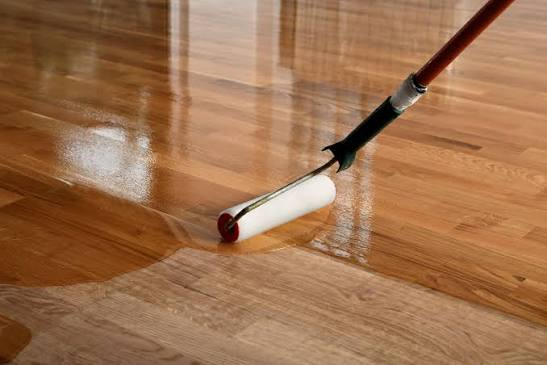
Once completely dry, technicians apply multiple thin, uniform layers of a high-solids premium polymer finish or advanced polyurethane topcoat. Each individual layer requires 30 to 45 minutes of dry time before the next coat can be applied. For heavy commercial environments, a minimum of 4 to 5 coats is standard to build an adequate protective shield.
A Note on Winter Floor Protection: Properties across the upper Midwest face a unique seasonal threat: calcium chloride and rock salt tracking. These harsh winter melting agents create an alkaline chemical reaction that actively dissolves standard floor finishes. Regular, deep-cleaning service cycles ahead of the winter freeze are critical to prevent severe, permanent floor pitting.
